
The Mysterious Underwater World of the Baltic Sea
The Baltic Sea is a unique brackish water habitat with a rich variety of animals and plants. What makes this fragile ecosystem so special and why its protection remains so important.
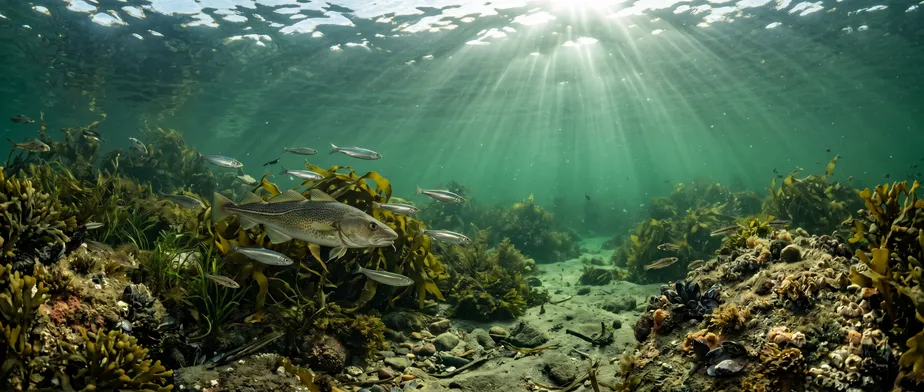
From above, the Baltic Sea often looks calm and clear. Below the surface, however, lies a layered habitat that is both resilient and fragile. As a large brackish water region, it combines characteristics of marine and inland waters. This mix is what makes its underwater world so special. Many species have adapted to these conditions and together form a finely tuned ecosystem.
When people think of the Baltic Sea, they usually picture beaches, dunes and coastal towns. What lies beneath often stays hidden, yet is no less fascinating. Between aquatic plants and the seabed, life is rich and diverse: tiny plankton drift through the water, fish move through seagrass meadows, and countless small organisms live on the bottom. They are essential for ecological balance.
A habitat between saltwater and freshwater
The Baltic Sea is one of the largest brackish seas in the world. Its salt content is much lower than that of the open ocean and changes from region to region. For animals and plants, this means constant adaptation to special conditions. Species that can cope with these fluctuations are the ones that can thrive here over the long term.
This is precisely why the species composition of the Baltic Sea is so remarkable. It is diverse, but strongly shaped by natural conditions. Changes in the water balance, temperature or nutrient load can already shift this sensitive equilibrium.
Animals and plants in the Baltic Sea
One of the best known inhabitants is cod. It characterizes the region and plays an important role in the food web. Many other species live in the water column and on the seabed, including small crustaceans, mussels and worms. They rarely take center stage, yet they are vital for the ecosystem.
Plant communities are just as important. Algae and other aquatic plants produce oxygen, provide shelter and serve as a food source for many species. Dense underwater vegetation is especially valuable. It offers refuges for juvenile animals and supports the stability of the habitat.
Plankton also plays a key role. Although it usually remains invisible, it forms the basis of many food chains. Without these tiny organisms, life in the Baltic Sea would not exist in its current form.
Why the Baltic Sea ecosystem is under pressure
The underwater world of the Baltic Sea is increasingly under pressure. Over recent decades, human influence has grown noticeably. Nutrient inputs, the use of coastal areas and other impacts are affecting the marine ecosystem. Many consequences are not visible right away, yet they last for a long time.
When the balance is disturbed, it is not only individual species that are affected. Entire communities can change. In a sea that already reacts sensitively to external influences, this is especially problematic. The Baltic Sea is therefore not only a beautiful natural area, but also one that needs protection.
What can help protect the Baltic Sea
Protecting the Baltic Sea starts with a better understanding of its special features. Those who know how the ecosystem works also see why careful treatment of this natural region matters. Protective measures focus on reducing pressures and preserving valuable habitats.
- paying more attention to sensitive marine habitats
- reducing inputs of pollutants and nutrients
- preserving natural refuges for animals and plants
- sharing more knowledge about the Baltic Sea ecosystem
The Baltic Sea is much more than a popular travel destination. It is a unique natural area with a strikingly diverse underwater world. Anyone who truly wants to understand it needs to look beneath the surface. There it becomes clear how closely beauty, life and vulnerability are connected.
More articles
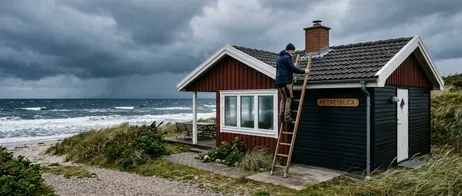
How to Keep Your Baltic Sea Holiday Home Safe
Baltic Sea holiday home: find out which key checkpoints you should never overlook as an owner.
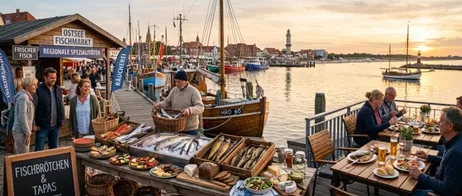
Culinary Highlights on the Baltic Sea: Fish and Markets
The Baltic Sea delights visitors with fresh fish, maritime cuisine, regional specialties, harbor towns, markets and authentic restaurants.
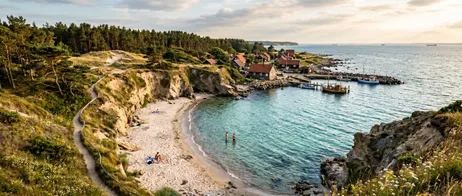
Secret Swimming Coves and Undiscovered Beaches on the Baltic Sea
The Baltic Sea enchants with hidden swimming coves, quiet natural beaches and relaxed holidays far from the well-known coastal resorts.
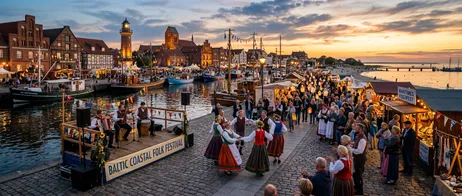
Experience Traditions and Festivals on the Baltic Sea in Style
The Baltic Sea captivates with harbor festivals, maritime traditions and cultural events full of local flair all along the coast.

Maritime culture and calm: Discover Baltic Sea towns in autumn
In autumn, Baltic Sea towns reveal their quiet side. Discover maritime culture, historic old towns, relaxed harbours and restful days in a holiday home.

Things That Make You Happy at the Baltic Sea
What makes the Baltic Sea so uplifting? An atmospheric love letter to small moments of happiness between beach, waves, salty air and open horizons.
